Breaking News
Main Menu
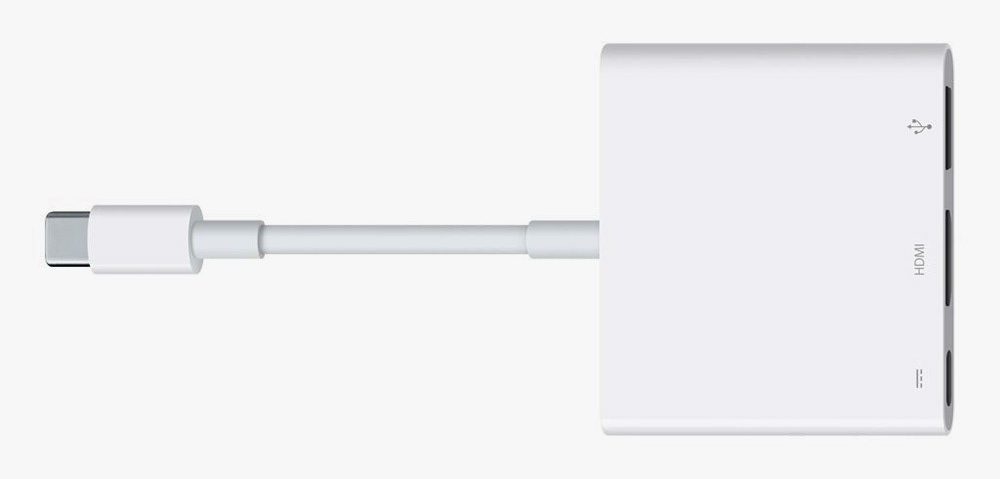
Type C Adapter For New Mac To Lightning Usb
понедельник 03 декабря admin 41
Lumsing High Speed USB 3.1 Type C to HDMI Adapter. The new MacBook Pro can drive two 5K displays together, and if you often connect external monitors to your MacBook, you will obviously need an HDMI adapter. Type USB C to Lightning PD 18W Fast Charging Data Cable adapter for iPhone X 8. NEW USB Type C To HDMI USB 3.0 Charging Adapter Converter USB-C 3.1 Hub Adapter. MacBook 29W USB-C Power Adapter/Charger with USB-C to Lightning.
The Thunderbolt 3 specification says it's backward compatible with the older Thunderbolt 2. Microsoft word update for mac. But more than one manufacturer has said that its Thunderbolt 3 peripherals are not compatible. The reason seems to be twofold; first, some early USB-C controller chips seem to have a backward compatibility issue; and second, a Thunderbolt 3 peripheral, while using a Thunderbolt 3 port, isn't actually using the Thunderbolt data channels; instead, it's making the connection over the USB 3.1 Gen 2 channels.
Downloads Public Key for PGP Signing. Yosemite / El Capitan / Sierra / High Sierra / Mojave. Current version: qBittorrent v4.1.5 May work on older macOS versions. If not, recompile with older Qt version. BlackPanther OS packages. QBittorrent is officially shipped on blackPanther OS CD as the default Bittorrent client. New technologies used in the operating system, make the Mac more reliable, functional and fast. And they lay the foundation for future innovations. In addition, the macOS High Sierra has improved features and applications that you use every day. The system macOS comes to a new level. Main innovations: • Move mountains with new technologies. Mac os sierra.
Thunderbolt 2 was never compatible with USB, so this arrangement, even with an adapter, won't work.
When news of a new Mac notebook, one of the aspects that seemed most absurd was the omission of multiple ports. Instead, there would be just one hole. Weirder still, it would be USB-C, a format never before seen in a Mac and unfamiliar to most people, as it was only unveiled in production equipment last September.
Turns out, it wasn’t absurd at all. With the, Apple has gone all in for all-in-one, using USB-C to provide power, display output, and USB connections.
Thunderbolt is gone. The SD card slot is gone as well. And the MagSafe component of the power connection has disappeared into very thin Air—I mean, thin MacBook. How do they work?) Apple says that USB-C adapters can provide HDMI, DisplayPort, VGA, ethernet, and USB 3.1 support, and can both power a computer and send power to attached peripherals. Notably, ethernet and DisplayPort options aren’t included in at the Apple Store. But Thunderbolt is the really big loser in the new 12-inch MacBook: USB-C can’t support Thunderbolt devices. Apple thinks that with all-day battery life and wireless capabilities, we just won't need to connect our new MacBooks to much.
In the pursuit of slimness, sleekness, and simplicity—the same goal that brought us Lightning—Apple has seemingly done with Thunderbolt what it once did with FireWire. But is USB-C a worthwhile shift for users? Well, all interfaces are compromises in one way or another, and Apple believes USB-C meets more customers’ needs, even as the new interface throws some people off a cliff. The upside is compatibility, and thus lower costs and more options. USB-C is also a unifying and universal standard that doesn’t involve a single company acting as a licensing gatekeeper, the way Apple protects Lightning cables and adapters.
USB-C would seem to have a lot to offer, but first we have to get over the hump of newness. FireWire in the hole! We’ve gone through this before, and every iteration brings pain and joy.
The pain comes from having to purchase new adapters and figure out the limitations of the new interface. The joy flows from improvements in performance and flexibility, and simplicity in making connections. The bump from Apple Desktop Bus (ADB, Apple’s original serial peripheral standard for keyboards) and SCSI (for hard drives and scanners, among other uses) to USB 1.1 was a big one in the first iMac circa 1998. ADB was slow, required daisy-chaining, and could be finicky. SCSI was fussy as all get out, despite its relatively high speed. (Remember terminators?
Numbering devices? Running out of numbers?) FireWire had such promise, and Apple even made a FireWire 800-to-Thunderbolt adapter for the most recent Macs. It won't work on the new MacBook at all. But USB let you plug and unplug, even while devices were in use! Sure, you could leave a hard drive in a weird state by unplugging before it was fully unmounted, but you at least wouldn’t fry its circuits by accident. USB 1.1 was always an intermediate step.
At 12Mbps, it was far too slow. And USB 2 wasn’t ready when Apple was.
FireWire 400’s introduction just a year later offered a vast improvement in speed. FireWire 800 doubled that a couple of years after, but despite a path to 1600 Mbps and 3200 Mbps, the standard was mostly single purpose: a way to move data rapidly among storage. Enter, the unifier. Originally slated to work over resilient fiber optic cables, allowing low power requirements and long distances, the first release was a bit of a compromise. It used copper wire and could extended only three meters (10 feet) maximum, but could also deliver power, which wasn’t part of the optical specification. The first version shipped on a Mac just four short years ago. The video standard DisplayPort, which has many potential variations of throughput, each of which can support a maximum refresh rate and monitor resolution, was supported as something that flowed over Thunderbolt, allowing forward compatibility.