Breaking News
Main Menu
Which Vmware Fusion For Mac Pro 2009?
вторник 25 декабря admin 97
A week after to support Windows 10, VMware has followed suit with an update to its software – but with a bug when used in Unity mode. Unity mode is where Windows apps are run alongside Mac ones. Fusion was today updated to, with performance improvements as well as Windows 10 compatibility, but the company has confirmed a bug identified by in which the Windows Start screen is sometimes unavailable (above left) and at other times has the search bar covered by the Mac’s dock (above right). When unavailable, the Toggle Start Screen option is greyed-out. Prologue: I’ve been a Parallels Desktop user since the Windows XP days (and ). However, I’ve always been watchful of VMware and their offerings.
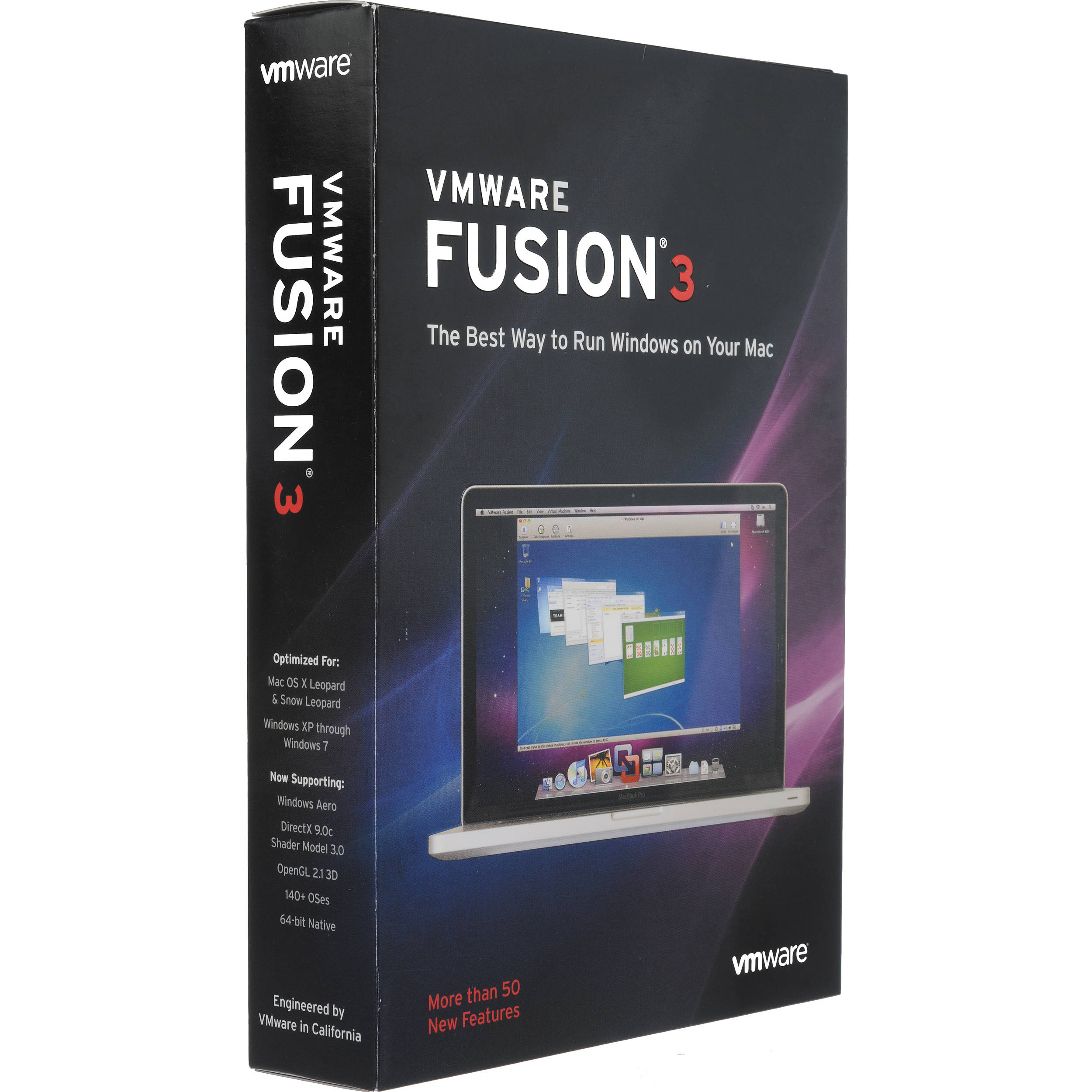
Which version of VMware should I use with a MacBook Pro (Mid 2009) with 8 GB of memory? VMWare Fusion 3.x is compatible with 10.5.8.
This review of Fusion 6 is from my perspective as a Parallels user and potential switcher. Mac users who need to pull up Windows, Linux, or guest OS X virtual machines usually don’t care too much for the whistles and bells of the virtualization software – they simply want a solid, fast experience to get in, run professional programs or play a few games, and get out. For VMware Fusion users in particular, they tend to care more about the CPU performance for professional apps rather than 3D graphics and frame rates. VMware has the immediate availability of and The new version of the virtualization software boasts over 50 new features and is prepared for the new operating systems coming from both Apple (Mavericks) and Microsoft (Windows 8.1). • Supports Mavericks multi-display features and even AirPlay displays • Enhanced dictation support • Run Mavericks as a guest operating system – can be installed using the recovery partition in just a couple of clicks • Ready for Windows 8.1 • Built-in optimizations for the Haswell processors • Up to 16 virtual CPUs, 64GB of RAM, and 8TB of disk space – ready for the new Mac Pro coming soon VMware Fusion 6 is.
A is available as well. The announcement comes just days after. The full version will be available tomorrow. We’ll have a full review of both apps shortly. Generally Parallels is geared toward single users and has better performance whereas VMware is geared toward larger enterprise and folks who also work on PCs.
MacTech Magazine, which recently announced its upcoming, today looked at two of the most popular virtualization products for Mac with of the most recent versions of and VMware Fusion 5. We have seen in benchmarks from previous reports, but this is by far the most comprehensive comparison. Calendar outlook for mac 2011 with circle on dock icon download. MacTech put the two apps to the test in a number of areas including launching various OSes, application performance, 3D graphics tests, Retina Support, and much more. The conclusion: Parallels Desktop 8 won on the majority of general tests and 62 percent of 3D graphics tests.
In the vast majority of our overall tests, Parallels Desktop 8 won. Again, if you count up the general tests (including the top 3D graphics scores), Parallels won 56% of the tests by 10% or more. If you include all the tests where Parallels was at least 5% faster, as well as the balance of the 3DMark06 graphics tests, Parallels increased the lead further. We recommend checking out. Parallels 8 for Mac, while VMware Fusion 5 is.
Put against this week and found there is not much of a contest between the two virtualization powerhouses. Parallels 8 out-gunned VMware across the board (as have shown) performance-wise and adds full support for Retina displays and dictation among other features. Neither or VMWare Fusion 5 are loaded to the gills with new features, so the PD8 update from version 7 is only a must-have if you are looking for Windows 8 or retina MacBook support in Windows 7 or 8. If you need retina support, this is your best option since Parallels did the extra work and made it a better retina experience than in VMWare Fusion 5. The Mountain Lion dictation and experimental DirectX 10 support show that, while Parallels tends to have more frequent paid updates and a higher price-tag, they try to earn the extra value with well thought out features and engineering. Apart from the bugs I saw in Mountain Lion 8, I think Parallels Desktop 8 earns that extra cost with its solid performance, far superior Linux OpenGL support, and existing feature set.