Breaking News
Main Menu
Mirror Display Wrong Ratio For Samsung Mac
понедельник 29 октября admin 56
Display • Display size: • 8.0 inches • Resolution: • 800 x 1280 pixels • Pixel density: Pixel density - The pixel density of a display represents the number of pixels over an area of one inch. It’s measured in “pixels per inch”, or ppi.
The higher the number, the more detailed and good-looking the display is. • 189 ppi • Technology: Technology - There are two main screen technologies currently used in phones and tablets: LCD and AMOLED. The former usually features a light source and liquid crystals, while the latter is based on organic light-emitting diodes. Newer LCD variations like IPS-LCD and Super-LCD allow for very accurate color reproduction and very wide viewing angles, where no significant image quality loss is observed.
Current AMOLED screens differ in such a way that they can exhibit much more saturated colors (sometimes too much) and incredibly high contrast levels, which is due to black color being completely black in AMOLED displays. • TFT • Screen-to-body ratio: Screen-to-body ratio - Shows what part of the frontal area of a phone its screen occupies. • 70.90% • Features: • Ambient light sensor. Hardware & Performance • System chip: System chip - Most modern handsets use an advanced chip that includes many of the device’s hardware modules like the processor, Wi-Fi, Bluetooth and sometimes even the wireless radio. This field shows what particular system chip (or System-on-a-Chip) is used in the phone. • Qualcomm Snapdragon 430 MSM8937 • Processor: Processor - The processor is the main computing component of a phone and is a major factor when it comes to the overall speed of the device. Some more powerful smartphones use dual-core and quad-core processors designed to deliver greater performance.
• Octa-core, 1400 MHz, ARM Cortex-A53, 64-bit, 28 nm • GPU: GPU - The graphics processor is important for the smooth operation of the system and especially in games and other applications that may involve complex graphics and animations. • • Adreno 505 • Memory: Memory - System memory, or RAM memory is the type of memory that the device uses to temporarily store data from the OS or currently-running apps.
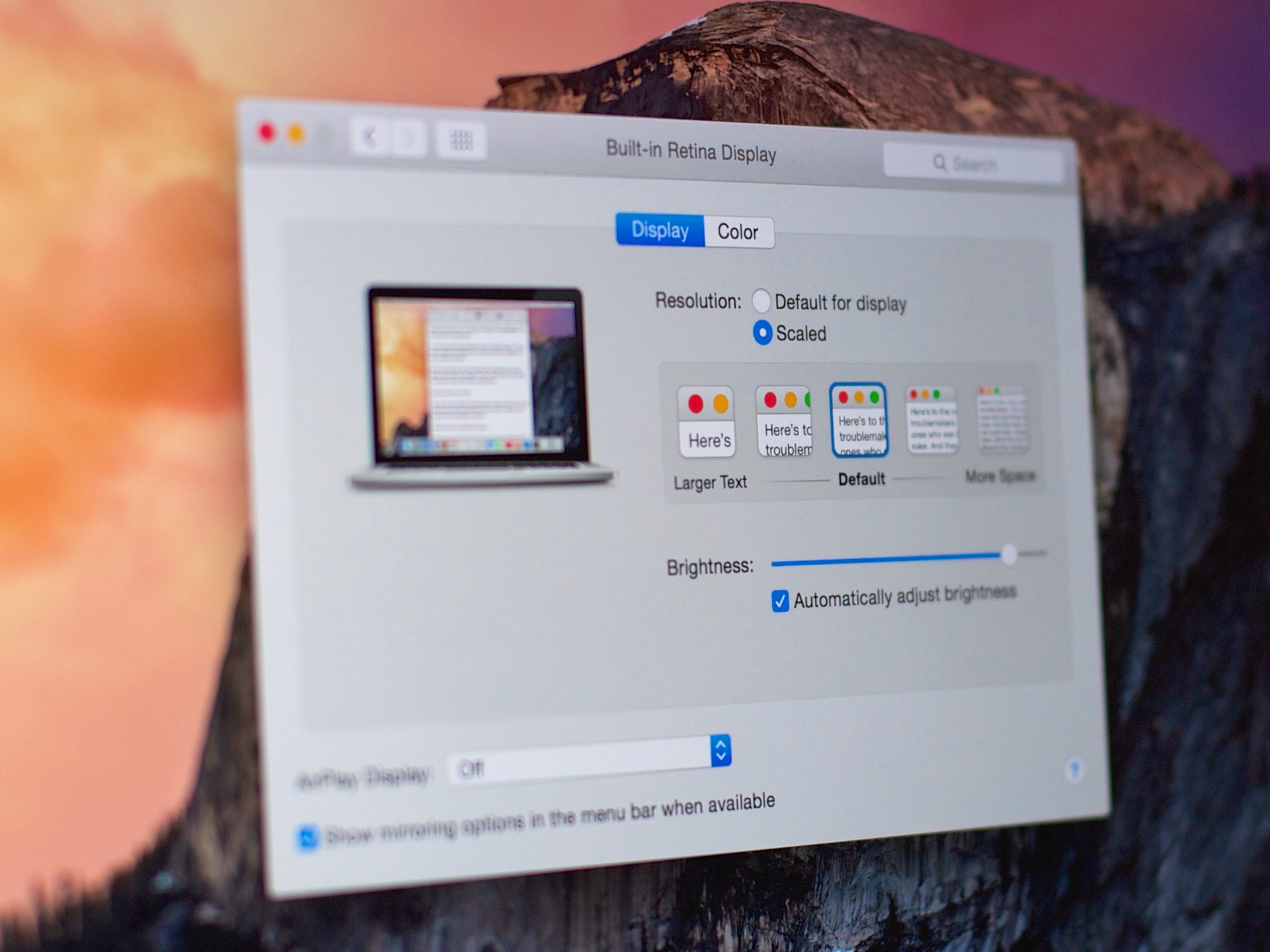
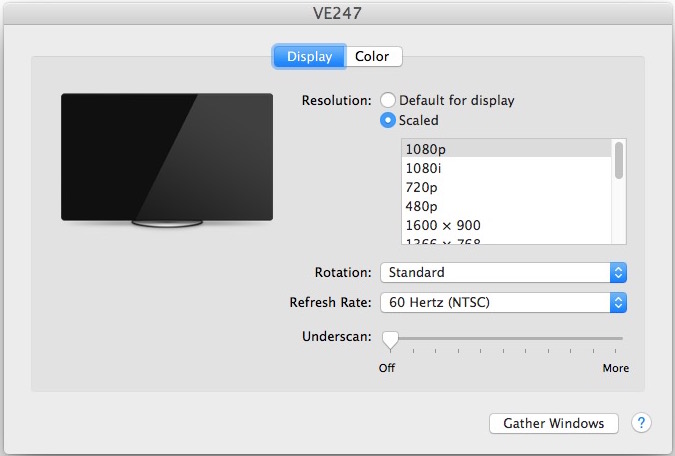
The resolution issues you are having is basically in mirror mode you have to choose the lowest of the two screen resolutions to get it to work properly. By doing that your making the screen resolution so low the apps can't open.
This is a tutorial to fix the problem 'The item is too large for the volume's format' when trying to copy an item to an external hard drive or flash drive, even if there is enough space on the drive. Cant copy to usb drive too large for volume format need windows and macbook pro. READ THE FAQ BELOW BEFORE ASKING QUESTIONS!!! This is a Mac tutorial.
The more RAM available to the device, the better the performance will be when multiple or heavier programs are running. • • 2 GB • Internal storage: Internal storage - Bigger storage capacity allows you to keep more content saved onto your device, such as more applications, photos or video. Games and video content typically take up the biggest amount of storage space. • 32 GB • Storage expansion: Storage expansion - Some handsets allow you to expand their storage capacity by using a memory expansion card – most often microSD. Expansion memory is mostly suitable for media storage, such as photo, video or music content.