Breaking News
Main Menu
Mac Allow Access For Assistive Dvices
пятница 21 декабря admin 24
Using a bash script to enable access to assistive devices is possible in Mavericks () despite the move to a per-app database. This is useful for entering keystrokes or clicking GUI buttons via a bash script. Prior to OS X Mavericks, enabling access to assistive devices was relatively easy. Running the command sudo touch /private/var/db/.AccessibilityAPIEnabled would enable it. But now each app now needs to be allowed or disallowed access. I often used Applescript/ osascript to simulate keystrokes or click GUI buttons, which was great for automating “un-scriptable” tasks on multiple computers.
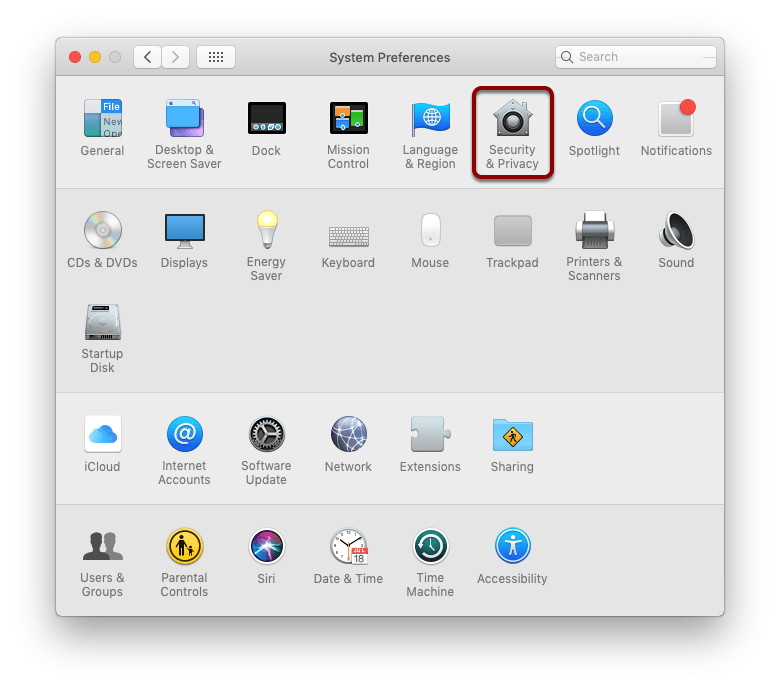
One particular feature I always found incredibly useful was logging a user in via the loginwindow by sending it a script from a remote machine. This proved useful in a lab environment when I wanted to open a specialized piece of software to make sure it worked on all of the machines. The script would simulate keystrokes and fill in the username and password fields and then press enter or click login. Unfortunately, Mavericks does not allow Applescript (or more accurately, /usr/bin/osascript ) by default, which is what I used to accomplish this from my script. Trying to run this script returned an error: 62:115: execution error: System Events got an error: osascript is not allowed assistive access. (-10006) The first thing I tried was to drag /usr/bin/osascript into the Accessibility window of the Security & Privacy Preferences pane, which is how you can add other apps. This did not work as the command-line tool was not an.app.
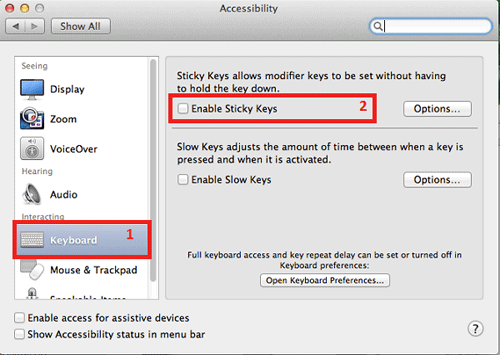
The feature called 'Enable access for assistive devices' is found in the Universal Access preference pane. It needs to be enabled in order for any GUI AppleScripts to run. I was trying to enable it from the Terminal, to insure that it was always enabled when needed. Assistive Technology. Mac OS X Snow Leopard Mouse Keys enables the user to move the pointer by pressing. By default, Mouse Keys may be turned on in the Universal Access panel of System Preferences. This will allow you to enable or disable Mouse Keys using the option key rather than via system preferences.
Needless to say, after struggling to figure out how to enable this through a script, I finally found a way. Enable Access To Assistive Devices via bash Each entry in the Accessibility window is actually part of a database file. Using sqlite3, this file can be manipulated to add, remove, or modify items. Thank you for the info, Jacob. After digging further, I found that tccutil.py was working exactly as you said – the utility had added and enabled the app in the assistive devices list. How to turn up printer minecraft settings for schematic on a mac.
But the way ADPassMon is coded, it doesn’t actually check the list. It just asks the user upon first launch to authenticate, adds them to the list and then sets preference telling itself not to check the assistive list in the future.
So I added the app to the list via tccutil.ph, then set ADPassMon’s preference via script and then ran “killall cfprefsd” to force the app to re-read its preference file. Thanks again.
The Mac operating system includes several assistive technologies designed to make it easier for a person with a disability to use the computer. Whether you have difficulty with your vision, hearing or mobility, the features found under Universal Access in the System Preferences can help you set up your computer to meet your needs. • • (.mov, 5 MB) • (HTML) • (Tagged PDF) • Choose Apple, System Preferences. • Choose Universal Access. • Select a pane to see the settings you can set for specific disabilities or devices. The panes available are: Seeing, Hearing, and Keyboard or Mouse for devices connected to your computer. If you use an external device, such as a Braille reader, make sure to check the box next to “Enable access for assistive devices” at the bottom of the Universal Access window.